 All StarAuto Repair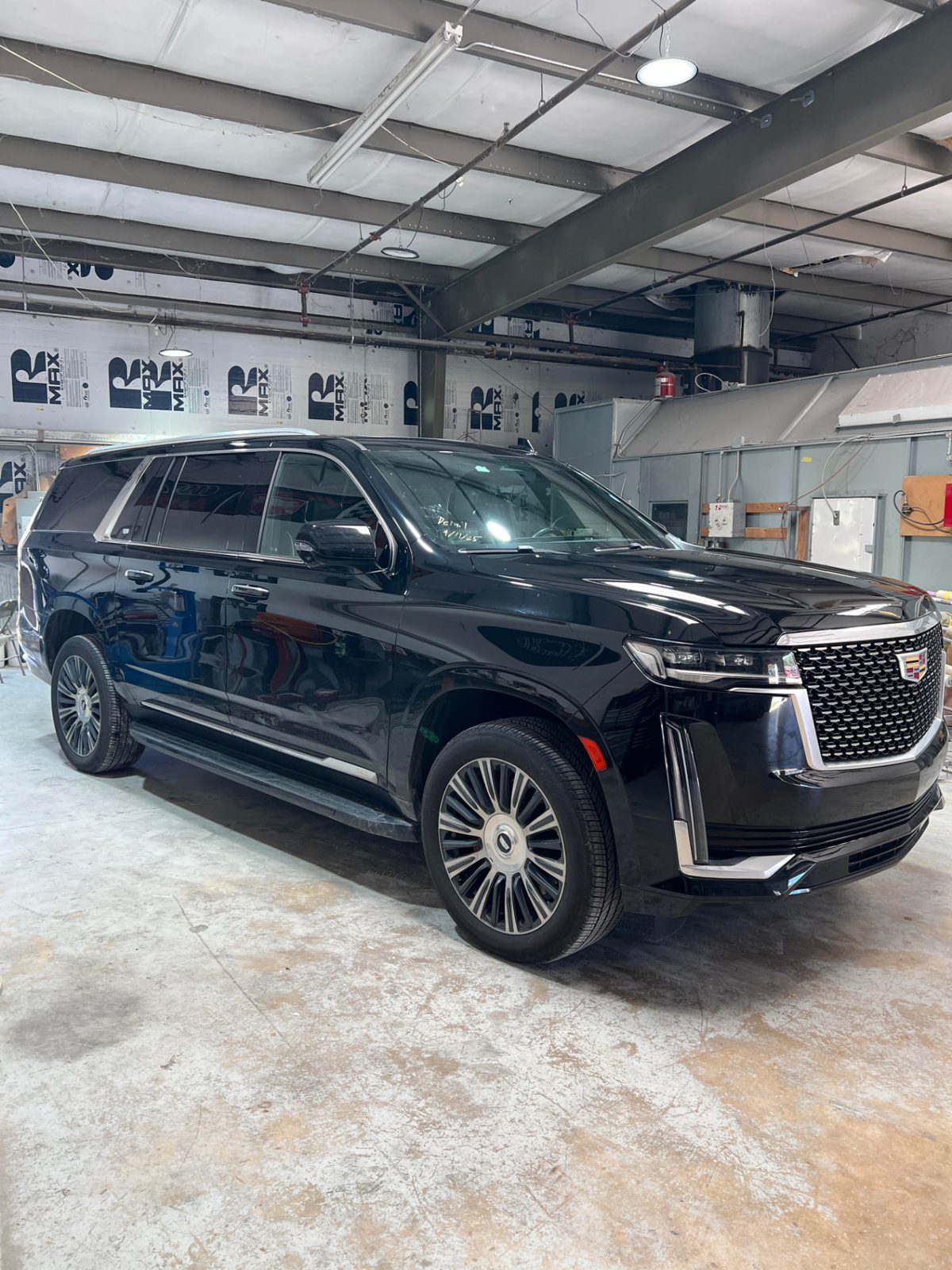
Collision repair · Lake Park
Damage assessed.
Shape restored.
A clear repair path for accident damage, from inspection through bodywork, refinishing and final checks.
The collision workflow
Built around the damage.
Every collision repair follows the same clear sequence, so you always know what is happening with your vehicle.
- 01Damage review
Visible collision damage is examined to define the repair scope.
- 02Body correction
Affected exterior panels and body lines are repaired or addressed.
- 03Refinishing
Repaired surfaces are prepared and refinished for a consistent appearance.
- 04Final review
Panel fit, finish, and repaired areas receive a final visual check.
Collision work, clearly explained.
- Accident damage assessment
- Exterior panel and body repair
- Preparation and automotive refinishing
- Fit and finish quality review
Collision repair in Lake Park, Florida
A collision can turn an ordinary day upside down. One minute you are driving down Northlake Boulevard or merging onto I-95, and the next you are exchanging insurance information on the shoulder. After everyone is safe, the question becomes: who is going to fix the car, and will it ever be right again? At All Star Auto Repair, our collision repair center in Lake Park exists to answer that question with confidence. We repair accident damage on cars, trucks, SUVs and vans throughout Palm Beach County, and we explain every step so you know exactly what is happening to your vehicle.
This page is a detailed guide to collision repair. It covers the types of damage we see, how a collision estimate works, the repair process from teardown to final inspection, insurance claims, parts choices, safety systems, and how to tell whether a collision repair was done well. If you want to get started right away, call (561) 890-7999 or send a free estimate request.
What is collision repair?
Collision repair is the work of returning a vehicle to its pre-accident condition after an impact. That includes the parts you can see, like bumper covers, fenders, doors and paint, and the parts you usually cannot, like brackets, reinforcements, crumple zones, and mounting points. A proper collision repair restores the vehicle’s appearance, the fit of its panels, and the function of everything affected by the crash.
Collision repair is related to, but not the same as, general auto body and paint work. Body work may address a single dent or rusted panel, while collision repair addresses everything an accident damaged. Most collision jobs also involve refinishing, and many involve bumper repair, since bumpers are the first point of contact in most crashes.
Types of collision damage we repair
Front-end collisions
Rear-ending another vehicle, hitting an object, or being involved in a head-on crash can damage the front bumper cover, bumper reinforcement, grille, headlights, hood, fenders, radiator support and cooling components. Front-end damage can also affect sensors used by adaptive cruise control and automatic emergency braking.
Rear-end collisions
Being rear-ended is one of the most common accidents in stop-and-go traffic. Damage often includes the rear bumper cover, reinforcement bar, tail lights, trunk lid or liftgate, rear body panel, and sometimes the quarter panels. Parking sensors and backup cameras are often located in this area.
Side impacts
Side impacts, including T-bone collisions and sideswipes, affect doors, pillars, rocker panels, quarter panels, fenders and mirrors. Door repairs may involve inner door structures, window regulators, wiring and trim.
Parking-lot damage
Low-speed parking-lot incidents usually cause scrapes, scuffs, dents and cracked bumpers. While the damage may look minor, clips and brackets behind the bumper cover are often broken too.
Weather and debris damage
Florida storms bring falling branches, flying debris and flooding. Hail is less common here than in other states, but it does happen. Debris can dent roofs, hoods and trunk lids and damage glass and trim.
Animal strikes and road hazards
Hitting an animal or road debris on the highway can damage the bumper, grille, headlight assemblies and underbody components.
The collision estimate
Every repair starts with an estimate. A collision estimate is a written document that lists the operations, parts, labor time and materials required to repair the vehicle. Here is how we approach it.
Visual inspection
We walk around the vehicle with you and look at all of the visible damage. We check panel gaps, which are the spaces between adjacent panels, because uneven gaps often reveal hidden misalignment. We look at lights, glass, trim and wheels.
Photos and documentation
We photograph the damage from multiple angles. These photos help with insurance claims and create a record of the vehicle’s condition when it arrived.
Hidden damage
Impact energy travels through a vehicle. A bumper cover might pop back into shape while the reinforcement behind it is bent and the energy absorbers are crushed. That is why an initial estimate is only a starting point. When we take the damaged area apart, we often find additional damage. We document it, photograph it, and submit a supplement to the insurer or discuss it with you before proceeding.
Your written estimate
You receive a written estimate that you can review and ask questions about. Nothing is repaired without your approval.
Our collision repair process
Teardown and blueprinting
The damaged area is disassembled to reveal everything affected by the impact. Technicians create a complete repair plan, sometimes called a blueprint, so parts can be ordered at once rather than piece by piece. This helps reduce delays.
Measuring and structural checks
When a collision is severe enough to affect the vehicle’s structure, measurements are taken and compared with manufacturer specifications. Structural issues affect how a vehicle protects occupants in a future crash, so they must be addressed correctly. If structural repair is beyond what is appropriate for our facility, we will tell you and help you find the right solution.
Panel repair and replacement
Some panels can be repaired by pulling dents, reshaping metal and applying minimal body filler. Others should be replaced, especially when they are torn, heavily creased, or part of a structural area. Plastic parts like bumper covers can often be repaired with plastic welding and specialized repair materials.
Corrosion protection
Repaired and replaced panels need corrosion protection. That includes primers, seam sealers and cavity wax where appropriate. Corrosion protection is especially important in coastal Florida, where salt air accelerates rust.
Refinishing
Repaired areas are prepared, primed and painted. Color is matched to your vehicle, and adjacent panels may be blended so the new paint transitions seamlessly into the original finish. Learn more on our paint job and refinishing page.
Reassembly
Lights, trim, moldings, emblems, sensors and bumper covers are reinstalled. Clips and fasteners that broke during the collision or during disassembly are replaced.
Systems checks
Warning lights are checked. Sensors, cameras and lights are verified. When ADAS calibration is required by the manufacturer, it is performed or arranged.
Final inspection and cleanup
We inspect the repair for fit, finish and function. We look at the paint under different lighting conditions. The vehicle is cleaned before delivery.
OEM, aftermarket and used parts
Collision repair parts fall into three general categories.
- OEM parts are made by or for the vehicle manufacturer. They are designed to match the original part.
- Aftermarket parts are made by other companies. Quality varies. Some fit well, while others require extra work.
- Recycled or used parts come from other vehicles of the same model. They are original parts, often at a lower cost.
Insurance policies may specify the types of parts covered. We explain the parts listed on your estimate and your options. If you prefer OEM parts and your policy does not cover them, you may be able to pay the difference.
Insurance claims and collision repair
Most collision repairs involve insurance. Here is what you should know about the process in Florida.
Filing a claim
Contact your insurer as soon as possible after the accident. If the other driver was at fault, you may file a claim with their insurer. Your agent can explain your coverage, including collision coverage, deductibles, rental car coverage and uninsured motorist coverage.
Choosing your shop
Insurers may recommend a network of shops. In general, you have the right to choose the shop that repairs your vehicle. The Florida Department of Financial Services offers consumer help for insurance questions, and the Florida Office of Insurance Regulation regulates insurance companies in the state.
The adjuster
An adjuster reviews the damage and the estimate. Some insurers send an adjuster to the shop, some use photo-based estimating, and some rely on the shop’s estimate. We communicate with adjusters and provide documentation.
Supplements
When hidden damage is discovered, a supplement is submitted. This is normal and does not mean anything went wrong. It simply reflects damage that could not be seen before disassembly.
Your deductible
If you file under your collision coverage, you pay your deductible. The insurer pays the rest of the approved repair cost. If the other party’s insurer accepts liability, you typically do not pay a deductible.
Diminished value
A vehicle that has been in an accident may be worth less than one that has not, even after proper repair. This is called diminished value. Whether you can recover it depends on the circumstances. Your insurer or an attorney can advise you.
Total loss
Sometimes repair costs approach or exceed the value of the vehicle. When that happens, the insurer may declare the vehicle a total loss. In Florida, a vehicle can be deemed a total loss when repair costs reach a set percentage of its actual cash value. If your vehicle is declared a total loss, the insurer pays its value minus your deductible. You may disagree with the valuation and provide evidence of comparable vehicles.
Collision repair and safety systems
Modern vehicles rely on cameras, radar and ultrasonic sensors for features like automatic emergency braking, adaptive cruise control, lane departure warning, blind-spot monitoring and parking assistance. These sensors are often mounted in or behind bumpers, grilles, mirrors and windshields, exactly where collisions happen.
After a collision, sensors may be damaged, misaligned, or simply disturbed by removing and reinstalling parts. Manufacturers publish procedures that specify when calibration is required. Skipping calibration can cause systems to behave unpredictably. The National Highway Traffic Safety Administration provides information about driver assistance technologies and why they matter.
Airbags and seat belts
If airbags deployed, they must be replaced, along with sensors and related components specified by the manufacturer. Seat belts involved in a crash may also need inspection or replacement. These are safety components, and their repair must follow manufacturer procedures.
Electric and hybrid vehicles
Electric and hybrid vehicles have high-voltage systems that require special handling. Battery packs may be located under the floor, and high-voltage cables run through the vehicle. Repairs near these systems require appropriate safety procedures. We repair body damage on EVs and hybrids and follow proper precautions. If a repair involves high-voltage components, we will explain what is involved and whether dealer service is required.
How long does collision repair take?
The timeline depends on:
- The extent of the damage.
- Parts availability. Some parts ship in a day, while others are backordered.
- Insurance approvals and supplements.
- Paint curing time.
- Calibration and sublet work, such as alignments or glass replacement.
We give you an estimated completion date and keep you informed. If something changes, we tell you.
Rental cars during repairs
If your policy includes rental reimbursement, or if the other party’s insurer accepts liability, a rental car may be covered while your vehicle is being repaired. Check with your insurer about coverage limits.
How to judge a quality collision repair
When you pick up your vehicle, take a few minutes to look it over.
- Panel gaps should be even and consistent with the other side of the vehicle.
- Paint color should match adjacent panels in both sunlight and shade.
- Paint texture should match the factory finish, without runs, dust or orange peel that stands out.
- Lights and electronics should work, and no warning lights should be on.
- Doors, hood and trunk should open and close smoothly.
- The vehicle should drive straight without pulling or unusual noises.
If anything seems off, tell us. We want the repair to be right.
Collision repair on the vehicles you drive
We regularly repair the vehicles most common on Palm Beach County roads, from Toyota Camry and RAV4 to Ford F-150, Honda CR-V, Dodge Durango, Chevrolet Silverado, Cadillac Escalade, Mercedes-Benz, BMW, Lexus and Tesla. Our gallery is organized by brand so you can see examples of our collision work.
Why choose All Star for collision repair?
- A 5.0-star Google rating from 97 reviews.
- Clear, written estimates and no work without approval.
- Documentation and communication with insurance adjusters.
- Careful refinishing and color matching.
- A convenient location at 825 15th St #7 in Lake Park.
- A team that treats your vehicle like it belongs to family.
Read more about our team on the about us page, and check the promotions page for this month’s offer.
Common collision repair questions
Should I get more than one estimate?
You can. Estimates can vary based on repair methods and parts. Compare what each estimate includes, not only the total.
Will my car ever be the same after a collision?
A properly repaired vehicle should look and function like it did before the accident. The key is a thorough repair that addresses hidden damage and follows correct procedures.
Can I drive my car after an accident?
It depends on the damage. If lights do not work, the hood will not latch, fluids are leaking, warning lights are on, or the vehicle does not steer or brake normally, do not drive it. Have it towed.
Do I have to use the shop my insurance recommends?
Generally, no. You have the right to choose your repair shop.
What if more damage is found?
We document it and discuss it with you and your insurer before continuing.
Find more answers on our FAQ page and practical tips on our blog.
Collision repair near Lake Park
Our collision repair center serves drivers throughout northern Palm Beach County, including Lake Park, North Palm Beach, Palm Beach Gardens, Riviera Beach, West Palm Beach, Jupiter, Juno Beach, Tequesta and Royal Palm Beach. We are close to I-95, US-1 and Northlake Boulevard.
Start your collision repair
The sooner damage is inspected, the sooner you can plan the repair. Call (561) 890-7999, visit us at 825 15th St #7, Lake Park, FL 33403, or send a free estimate request. Shop hours are Monday through Friday from 8:00 AM to 5:30 PM and Saturday from 9:00 AM to 3:00 PM.
A deeper look at collision damage
To understand why collision repair requires so much care, it helps to understand how modern vehicles are built. Most passenger cars use unibody construction, which means the body and frame are one integrated structure. Instead of a separate steel frame, the body itself carries the loads. Engineers design specific areas, called crumple zones, to fold and absorb energy in a crash so less of that energy reaches the passenger compartment.
After a crash, those crumple zones may be deformed. Replacing or repairing them correctly restores their ability to protect you in the future. Manufacturers often specify which parts can be repaired, which must be replaced, where sectioning is allowed, and which welding methods are required. High-strength steels and aluminum used in modern vehicles can lose strength if heated improperly. That is why repair procedures matter so much.
Trucks and some SUVs use body-on-frame construction, where the body sits on a separate frame. Frame damage in these vehicles requires measurement and correction as well.
Understanding your repair order
Your repair order lists operations like “repair,” “replace,” “refinish,” “blend,” “R&I” (remove and install), and “R&R” (remove and replace). It also shows labor hours, paint and materials, and parts prices. If any line item is unclear, ask us. We are glad to walk you through it.
After your repair
Protect your new finish by waiting before waxing freshly painted panels, washing gently for the first few weeks, and avoiding harsh automatic car washes. Keep your repair paperwork with your vehicle records. If you sell the car later, documentation from a reputable shop helps buyers feel confident about the repair.
Ready when you are
Accidents are never convenient, but getting the repair right does not have to be complicated. All Star Auto Repair is ready to help with a clear plan and careful work. Call (561) 890-7999 or request an estimate online today.
Collision repair checklist for pickup day
Bring this list when you pick up your vehicle: check panel gaps on both sides, compare paint color in the sun, confirm lights and sensors work, verify no warning lights are on, open and close every affected door and the hood, and take a short test drive. Ask for your final invoice and any photos of hidden damage we documented. Keeping this paperwork makes future insurance questions and resale easier.
Collision repair for commuters and families
Many of our collision customers are commuters who rely on I-95, US-1 and Northlake Boulevard every day, or families who need the minivan or SUV back for school runs and weekend activities. We understand that being without a vehicle is disruptive. That is why we plan repairs carefully, order parts early, and keep you updated so you can arrange transportation with confidence.