 All StarAuto Repair
Before leaving the body shop, walk around the car with a shop representative, check the repaired area’s finish and operation, review the invoice, and ask for any required scan or calibration records. If you notice a safety concern, resolve the next step before driving away. A pickup checklist helps you ask useful questions; it does not certify concealed repairs or replace professional checks.
For Lake Park and Palm Beach County drivers, collecting a repaired vehicle often happens between work, rental return and other commitments. Allow time for a handover instead of treating pickup as only a payment transaction. Bring the estimate or revised repair scope, and ask the shop to explain what changed during the job.
1. Ask for a walk-through of the completed work
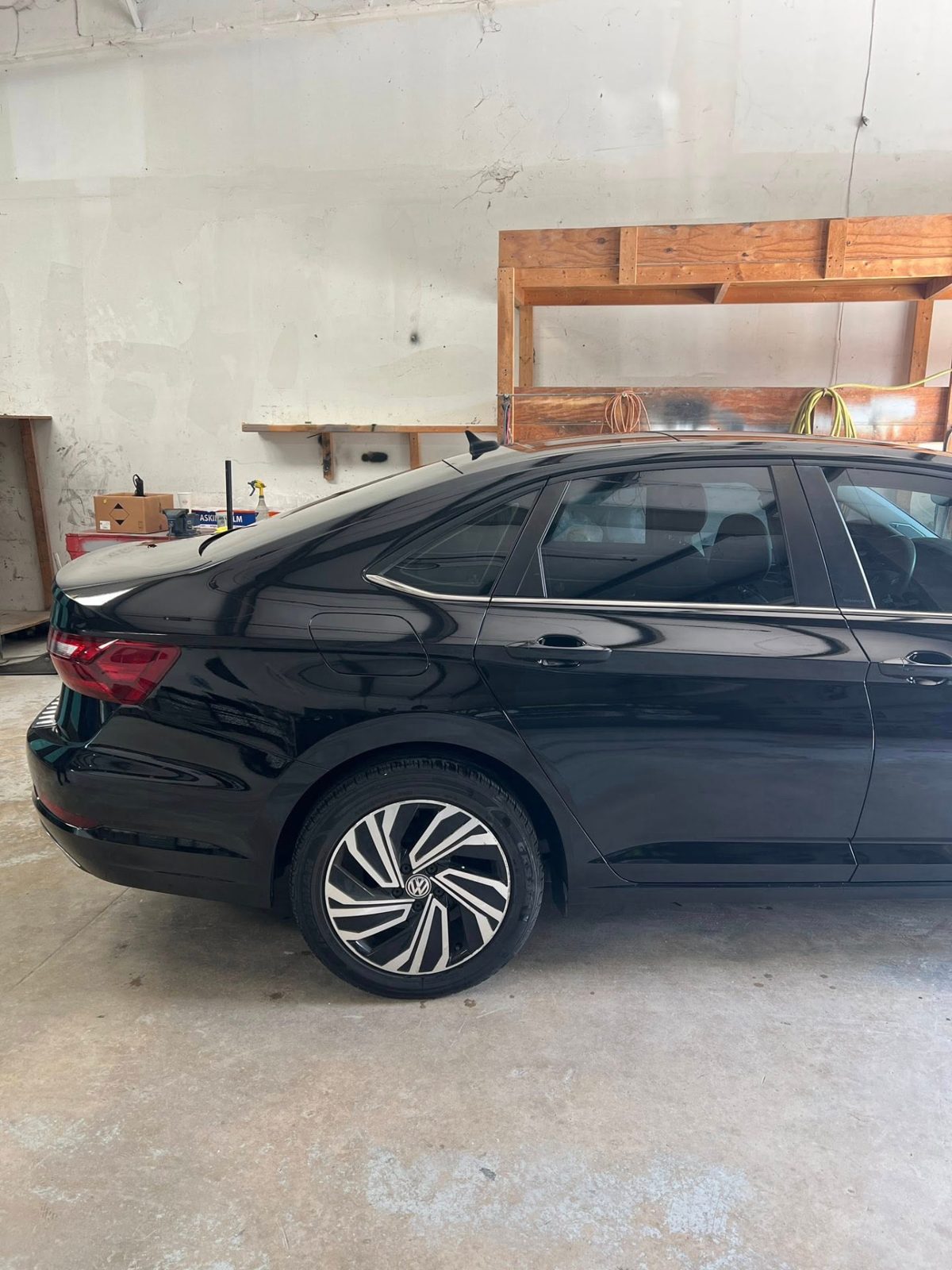
Start with the final repair scope. Ask which panels were repaired or replaced, which areas were refinished or blended, and what additional damage was discovered. If the final invoice differs from the first estimate, ask the representative to explain the changes and point out the relevant authorization or supplement documents.
This is also the time to ask about work completed by an outside provider. A shop may coordinate an alignment, calibration or another specialized service elsewhere. What matters is whether the required work was properly completed and documented—not an assumption that every operation happened under the same roof.
2. Compare color, gloss and texture
View the repaired area and adjacent panels in daylight and shade when practical. Look straight at the panel and from an angle; metallic and pearl finishes can appear different as the viewing angle changes. Compare color, gloss and surface texture separately. A close color match can still look different if gloss or texture does not blend with the surrounding finish.
Point out visible concerns and ask the shop to inspect them with you. Do not immediately polish, sand or apply touch-up paint yourself: the finish may have care restrictions, and altering it could complicate an assessment. Our paint-matching guide explains variants, test panels and blending without promising that one paint code produces an exact match on every vehicle.
3. Check panels, latches, trim and lights
With the shop representative, check doors, the trunk or liftgate, and the hood where they were involved in the repair. They should operate and latch appropriately without unusual rubbing or force. Look for loose trim, unsecured parts, damaged seals or a lamp that appears poorly seated. Panel gaps should be evaluated against the vehicle and its specifications, not a universal rule that every gap must be identical.
Check relevant lights and controls. Mention new moisture or persistent condensation inside a lamp, but do not diagnose the cause yourself: some lamp designs allow temporary misting under certain conditions. Ask the shop to assess a concern against the applicable design and procedures.
If the hood may be insecure, a part could detach, or a tire is rubbing, do not drive away to see whether it improves. Ask for inspection and a safe transport plan if needed.
4. Review warning messages and safety-system records
Ask which manufacturer-required checks applied to the repair. These may include diagnostic scans, wheel alignment, calibration or other procedures, depending on the vehicle and work performed. A scan and a calibration are not interchangeable. A scan reads system information and fault codes; calibration establishes specified camera or sensor alignment. No warning light by itself proves that every required check was completed.
Request the applicable reports and an explanation of any remaining warnings. You do not need a calibration report for a procedure that was not required, but you should understand why it was or was not part of this repair. The NHTSA driver-assistance guide explains these systems and their limitations.
Never deliberately approach another vehicle or obstacle to test automatic emergency braking. Do not assume driver assistance makes it safe to ignore a warning or an unresolved handling concern.
5. Check the cabin and your belongings
Review the repaired area’s interior trim, seats and accessible surfaces for new damage or residue. Confirm that belongings left with the vehicle are present. If you notice a concern, photograph it and discuss it while the representative can see the same condition.
A clean cabin is useful to inspect, but cleanliness alone is not evidence of structural repair quality. Keep cosmetic observations separate from questions that require inspection or repair records.
6. Understand the invoice, warranty and aftercare
Keep the final itemized invoice, repair authorizations and relevant reports. Ask about the parts used and any remaining balance. If insurance is involved, confirm payment arrangements and your responsibility rather than assuming the insurer will pay every difference. Our insurance payment guide covers deductibles and supplements.
Request the actual written warranty terms: who provides it, what work is covered, exclusions and how to report a problem. Do not assume a lifetime warranty unless that is specifically provided in writing. Get care instructions for the paint system used, including when washing, waxing or pressure washing is appropriate. There is no single cure-time rule that fits every product.
For estimate, invoice and consumer-rights questions, consult Florida’s motor-vehicle repair guidance. This checklist is general consumer information, not legal advice.
What if you notice a problem after leaving?
Contact the shop promptly with your invoice, photos and a clear description of the symptom. Note when it appeared and whether it is constant or intermittent. Avoid attempting a repair before the concern is assessed. If brakes, steering, tires, secure latching or loose parts are involved, stop driving and arrange safe transport rather than taking a highway test drive.
Quick answers before pickup
Can I verify the whole repair by looking at the car?
No. A walk-around can reveal visible concerns, but concealed structure, wiring and safety-system work require appropriate professional checks and records.
Should every repaired car have a calibration report?
Not necessarily. Calibration requirements depend on the vehicle and repair. Ask which manufacturer procedures applied and request documentation for work that was required.
Can I wax newly repaired paint immediately?
Follow the shop’s instructions for the specific paint system and cure conditions. Ask before waxing or using aggressive cleaning methods rather than relying on a generic waiting period.
Arrange collision or body repairs in Lake Park
All Star Auto Repair is at 825 15th St #7, Lake Park, FL 33403. Call (561) 890-7999 or request an estimate for collision repair, auto body and paint work or bumper repair. Bring your questions to the estimate discussion so documentation, updates and pickup expectations are clear from the start.