 All StarAuto Repair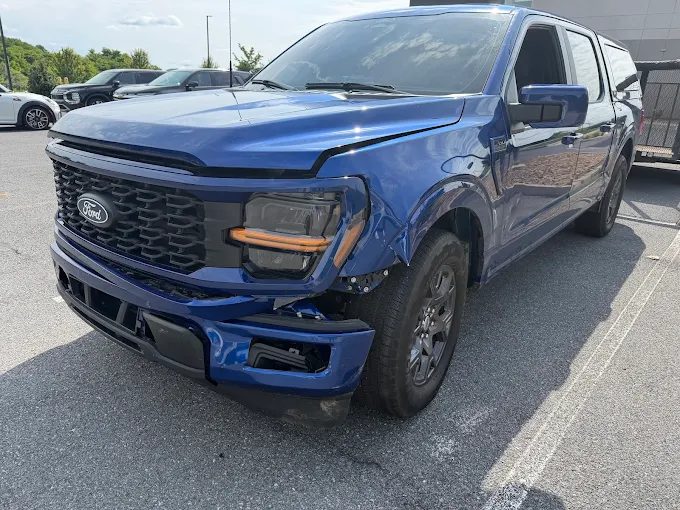
Bumper repair · Lake Park
Scuffed. Cracked.
Straight again.
Focused repair for dented, cracked, scraped or misaligned bumpers.
Focused bumper work
Repair what the road left behind.
Bumper damage is isolated work: scuffs, cracks, alignment, and the finish that ties it back to the rest of the vehicle.
- 01Damage review
The bumper and surrounding panels are assessed for visible damage.
- 02Structural correction
Cracks, dents, and alignment issues are addressed.
- 03Refinishing
The repaired area is prepared and refinished to blend with the vehicle.
- 04Final check
Fit, gaps, and finish are reviewed before the vehicle is returned.
Bumper damage, handled as one job.
- Scrape and scuff repair
- Crack and dent correction
- Bumper alignment
- Refinish and final review
Bumper repair in Lake Park, Florida
The bumper is the part of your vehicle most likely to take a hit. Parking lots, tight driveways, stop-and-go traffic on US-1, curbs, posts, shopping carts and other drivers all find the bumper first. The good news is that many bumper problems can be repaired quickly and affordably. All Star Auto Repair provides bumper repair and bumper replacement in Lake Park for drivers throughout Palm Beach County.
This page explains how modern bumpers are built, the types of bumper damage we see, when repair makes sense and when replacement is the better choice, how paint and sensors affect the job, and what to expect in terms of time and cost. Ready for an estimate? Call (561) 890-7999 or send the details with our free estimate form.
How modern bumpers are built
Decades ago, bumpers were chrome-plated steel bars bolted to the frame. Today’s bumpers are systems made of several parts working together.
Bumper cover
The bumper cover, also called the fascia, is the painted outer shell you see. It is usually made of flexible plastic such as polypropylene, TPO, or polyurethane. It is designed to look good and resist minor impacts, but it is not the main source of crash protection.
Energy absorber
Behind the cover is an energy absorber, usually made of foam or honeycomb plastic. It compresses during low-speed impacts to absorb energy.
Reinforcement bar
The reinforcement bar, sometimes called the bumper beam or rebar, is made of steel, aluminum, or composite. It is bolted to the vehicle’s structure and provides the real strength.
Brackets, clips and retainers
Plastic brackets and clips hold the bumper cover in position and align it with the fenders, lights and hood. These are often broken in minor collisions.
Sensors and cameras
Many bumpers contain parking sensors, radar sensors for adaptive cruise control and emergency braking, blind-spot sensors, and cameras. These add complexity and cost to bumper repair.
Types of bumper damage
Scuffs and scratches
Surface scuffs and scratches are very common. Light scuffs may be polished out. Deeper scratches that go through the paint require refinishing.
Dents and pushed-in areas
Plastic bumper covers can deform on impact. Some dents can be reshaped with heat and specialized tools, followed by refinishing.
Cracks and tears
Cracks and small tears can often be repaired using plastic welding or two-part structural repair adhesives, reinforced from behind. Large tears, missing pieces, or damage to mounting areas may require replacement.
Broken tabs and loose bumpers
When a bumper cover sags, sticks out, or has an uneven gap, broken mounting tabs or brackets are usually the cause. Tabs can often be repaired, and brackets are usually inexpensive to replace.
Paint damage
Rock chips, peeling paint and faded finish on bumpers are common in Florida. Bumper paint is flexible and requires adhesion promoters and flex additives to stay bonded to the plastic.
Hidden damage
A bumper cover can pop back into shape after a hit while the energy absorber, reinforcement bar, brackets or sensors behind it are damaged. That is why we remove the cover when needed to inspect what is behind it.
Bumper repair vs. bumper replacement
One of the most common questions we hear is whether a bumper should be repaired or replaced. The answer depends on several factors.
When repair makes sense
- Scuffs, scratches and paint damage.
- Small cracks and tears in accessible areas.
- Dents that can be reshaped.
- Broken tabs that can be rebuilt.
- When the rest of the bumper is in good condition.
Repairing a bumper cover is often faster and less expensive than replacing it, especially when a replacement would need to be painted anyway.
When replacement makes sense
- Large tears, holes or missing pieces.
- Multiple cracks across the cover.
- Damage in areas that hold sensors, where precise positioning matters.
- Heavily distorted material that will not hold its shape.
- When repair time would exceed the cost of a new cover.
We will explain which option makes sense for your vehicle and why.
The bumper repair process
Inspection
We look at the damage and check the fit of the bumper against the surrounding panels. We check lights, sensors and cameras.
Removal
In many repairs, the bumper cover is removed to access the back side, inspect the energy absorber and reinforcement, and perform proper plastic repair.
Plastic repair
Cracks are V-grooved and plastic-welded or bonded with flexible repair material, often with reinforcing mesh on the back side. Dents are reshaped. Tabs are rebuilt.
Surface preparation
The repaired area is sanded, cleaned, and treated with adhesion promoter. Flexible primer and filler are used where needed.
Refinishing
The bumper is painted with base coat and clear coat, with flex additives so the paint can move with the plastic. Color is matched to the vehicle. Learn more about our paint and refinishing process.
Reinstallation
The bumper cover is reinstalled with new clips and fasteners as needed. We check gaps, alignment and the function of lights and sensors.
Bumpers and ADAS sensors
If your vehicle has parking sensors, radar, or cameras in the bumper, repairs must account for them. Radar sensors are sensitive to paint thickness and material repairs in front of them, and manufacturers often have strict guidelines about repairs in these areas. Parking sensors must be mounted at correct angles. Cameras must be aimed properly.
After certain bumper repairs, manufacturers may require sensor calibration. We follow those requirements and explain when calibration is needed. The National Highway Traffic Safety Administration provides general information about driver assistance technologies.
Bumper standards and safety
Federal bumper standards require passenger car bumpers to withstand low-speed impacts with limited damage to safety-related components. The Insurance Institute for Highway Safety has tested bumper performance for years and publishes research on how well bumpers resist damage in low-speed crashes. Their findings show that even minor impacts can cause expensive damage on some models, especially those with sensors in the bumper.
How much does bumper repair cost?
Cost depends on:
- Whether the cover is repaired or replaced.
- The extent of damage to absorbers, reinforcements and brackets.
- Paint color and whether blending into adjacent panels is needed.
- Sensors, cameras and calibration requirements.
- Fog lights, grilles, moldings and other attached parts.
A simple scuff repair is much less expensive than a cover replacement with sensor calibration. We provide a written estimate so you know what to expect. Check the promotions page to see if this month’s offer applies.
How long does bumper repair take?
Many bumper repairs can be completed in one to two days. Replacements may take longer if parts must be ordered. Paint curing and sensor calibration can add time. We will give you a realistic timeline.
Should I file an insurance claim for bumper damage?
It depends on the cost of the repair and your deductible. If the repair costs less than or close to your deductible, paying out of pocket may make sense. If another driver caused the damage, their insurer may pay. If the damage involves sensors or hidden components, the repair may be more costly than it appears. We can provide an estimate so you can make an informed decision. Read more about insurance on our collision repair page.
Front bumper repair
Front bumpers are exposed to curbs, parking blocks, road debris and front-end collisions. They also house grilles, fog lights, radar sensors, and air intakes. Front-end damage may affect the radiator support, headlights, and cooling components.
Rear bumper repair
Rear bumpers are exposed to backing incidents and rear-end collisions. They often contain parking sensors, cameras, reflectors and exhaust cutouts. A rear-end collision may also damage the trunk or liftgate and rear body panel.
Truck bumpers
Many pickup trucks use chrome or painted steel rear bumpers and plastic or steel front bumpers. Steel bumpers can often be straightened, but heavily bent steel bumpers are usually replaced. We repair bumpers on trucks like the Ford F-150, Chevrolet Silverado, Ram 1500, Toyota Tacoma and Tundra. See examples in our gallery.
Bumper paint peeling
Peeling paint on plastic bumpers is usually an adhesion problem. It may result from a previous repair done without adhesion promoter, or from age and sun exposure. The fix is removing loose paint, preparing the plastic properly and refinishing.
DIY bumper repair kits: pros and cons
Store-bought bumper repair kits and touch-up pens can help with very minor chips. But plastic repair and paint matching are difficult to do well without proper materials and equipment. DIY repairs often end up with visible edges, poor color match, or paint that peels. A professional repair usually looks better and lasts longer.
Preventing bumper damage
- Use parking sensors and cameras, but also check mirrors.
- Park away from high-traffic areas in parking lots.
- Watch for low curbs and parking blocks.
- Keep safe following distances in traffic.
- Consider paint protection film on front bumpers to reduce rock chips.
Bumper repair on all makes and models
We repair bumpers on Toyota, Honda, Nissan, Ford, Chevrolet, Dodge, Jeep, Hyundai, Kia, Mercedes-Benz, BMW, Lexus, Audi, Cadillac, Tesla and more. Our gallery is organized by brand, so you can see our work on vehicles like yours.
Why choose All Star for bumper repair?
- Honest recommendations about repair versus replacement.
- Proper plastic repair techniques.
- Careful color matching and flexible refinishing.
- Attention to sensors and cameras.
- A 5.0-star Google rating from 97 reviews.
- A convenient Lake Park location.
Common bumper repair questions
Can a cracked bumper be repaired?
Often, yes. Small to moderate cracks in accessible areas can usually be repaired. Large cracks or damage near sensors may require replacement.
Is it safe to drive with a cracked bumper?
A cracked bumper cover may be safe for a short time if it is secure and lights work. But a loose bumper can come off at highway speed, and hidden damage may reduce crash protection. Have it inspected soon.
Will the paint match?
We match paint to your vehicle and blend when needed for a seamless finish.
Does bumper repair affect my sensors?
It can. We check and follow manufacturer procedures for sensors and calibration.
How long will it take?
Many bumper repairs take one to two days. Replacements depend on parts availability.
Read more answers on our FAQ page, and read our blog article on when a cracked bumper can be repaired.
Serving drivers across Palm Beach County
Our bumper repair shop is located at 825 15th St #7 in Lake Park, near Northlake Boulevard, US-1 and I-95. We serve Lake Park, North Palm Beach, Palm Beach Gardens, Riviera Beach, West Palm Beach, Jupiter, Juno Beach and nearby communities.
A closer look at plastic welding
Plastic welding is a key technique in bumper repair. It uses heat to fuse the base plastic of the bumper with a compatible filler rod. The type of plastic must be identified first, usually by a code molded into the back of the bumper, such as PP, TPO or PC/PBT. Using the wrong filler results in a weak repair. A proper weld, reinforced with mesh on the back side, can restore strength to a cracked tab or tear.
Two-part adhesive repairs are another method. Structural adhesives designed for flexible plastics bond strongly and flex with the bumper. They are often used for cosmetic repairs on the face of the bumper.
A closer look at flexible paint
Plastic bumpers flex, and paint must flex with them. Adhesion promoters help primer bond to plastic. Flex additives in primer and clear coat allow the finish to bend without cracking. Skipping these steps leads to peeling and cracking paint, which is a common sign of a poor repair.
Protect your bumper investment
After a bumper repair, wait for the paint to cure before waxing. Wash gently. Avoid pressure washing close to repaired edges in the first weeks. Keep your repair records.
Get your bumper fixed
Do not let a scuffed, cracked or sagging bumper hurt your vehicle’s appearance and value. Call (561) 890-7999, stop by 825 15th St #7 in Lake Park, or request a free estimate online. Shop hours are Monday through Friday from 8:00 AM to 5:30 PM and Saturday from 9:00 AM to 3:00 PM.
Bumper repair and resale
Scuffed and cracked bumpers are one of the first things buyers and appraisers notice. A clean, well-fitted bumper improves curb appeal and can help your vehicle’s trade-in or sale value. For many drivers, a bumper repair before selling pays for itself.
Our commitment
We treat every bumper repair, big or small, with the same care. You get a clear explanation, a fair estimate, and a repair that looks right. That is how we earned our reputation in Lake Park, and it is how we plan to keep it.
Bumper repair by vehicle type
Different vehicles present different bumper challenges. Here is what we often see.
Sedans and coupes
Low front bumpers on sedans and coupes are prone to curb and parking-block damage. The lower lip and underside are frequently scraped or cracked. Repairs often involve plastic repair and refinishing of the lower section with blending into the rest of the cover.
SUVs and crossovers
SUVs like the Toyota RAV4, Honda CR-V, Ford Explorer and Dodge Durango often have large bumper covers with integrated fog lights, sensors and textured lower trim. Rear bumpers take hits from backing incidents in parking lots.
Luxury vehicles
Mercedes-Benz, BMW, Lexus and Cadillac bumpers often include multiple sensors, headlight washers, chrome trim and complex shapes. Paint colors are frequently metallic or tri-coat, requiring careful matching.
Electric vehicles
EV bumpers, such as those on Tesla models, often house many sensors and cameras. Some EVs use unique materials and mounting systems. Repairs follow manufacturer procedures.
Pickup trucks
Trucks may have steel bumpers, plastic covers, or a combination. Chrome bumpers usually cannot be refinished in the shop and are replaced when damaged. Painted steel bumpers can often be straightened and refinished.
The lifecycle of a typical bumper repair
To give you a sense of what happens to your vehicle, here is a typical scuffed-and-cracked rear bumper repair from start to finish. On day one, we inspect the vehicle, write the estimate and schedule the repair. When the vehicle arrives, the bumper cover is removed and inspected along with the absorber and reinforcement. The crack is repaired from behind with plastic welding and reinforcement, the face is shaped smooth, and the cover is primed. The next step is paint: color is matched, base coat and clear coat are applied with flex additives, and the finish cures. Finally, the cover is reinstalled with new clips, sensors are checked, gaps are adjusted, and the vehicle is cleaned for pickup.
Headlights, fog lights and grilles
Front bumper damage often affects parts mounted in or near the bumper, including headlights, fog lights, grilles, and air deflectors. Headlight mounting tabs are fragile and can break even when the lens looks fine. Many headlight assemblies can have their tabs repaired with manufacturer repair kits instead of replacing the whole unit. Grilles, especially chrome or gloss-black grilles on trucks and luxury vehicles, are usually replaced when cracked. We check these parts during every front bumper inspection so nothing is missed.
Bumper alignment and gaps
A bumper that looks slightly crooked, sticks out at one corner or has an uneven gap against the fender almost always has broken brackets, clips or tabs. Correct alignment matters not only for appearance but also for sensor aim and aerodynamic noise. We adjust bumper fit carefully and compare it with the undamaged side.
Tell us what happened
When you contact us about bumper damage, let us know how it happened, whether any lights or sensors seem affected, and whether any warning lights came on. That information helps us plan the inspection.
Small damage, big difference
A freshly repaired bumper can transform how a vehicle looks. Because bumpers sit at eye level at the very front and back of the car, damage there is the first thing people notice. Fixing it restores a clean, cared-for appearance and often makes owners fall back in love with their vehicle. It is one of the most satisfying repairs we perform, and one of the quickest.
Bumper repair questions we love to answer
No question is too small. Whether you want to know if a scuff will buff out, whether a crack will spread, or whether your parking sensors will still work, call (561) 890-7999 and ask. We would rather help you understand the damage than have you guess.